



7 tips to protect your furniture during renovation work
Why protect your furniture during renovation work?
During renovation work, dust infiltrates even the best-protected corners, despite all the usual precautions. It settles as a thin film on wood, fabrics and even inside drawers and cupboards. Furniture is exposed to knocks, scratches, paint splashes and moisture, whether from glue, seepage, drying walls or the simple act of leaving a window open. Where space is at a premium, furniture is frequently moved from one room to another, multiplying the risk of bumping into walls, feet being ripped off or parts being damaged. The repeated movement of craftsmen, equipment and materials further increases the likelihood of accidents or irreversible damage. What’s more, some renovation materials can release solvents, odors or residues that impregnate textiles and foams.
Protecting your furniture is therefore essential to preserve its condition, avoid unpleasant surprises, save time on final cleaning and leave your home looking impeccable at the end of the job.

Common renovation mistakes
Many people think that a simple tarpaulin is enough to protect their possessions. However, even a thick tarpaulin lets fine dust through, and often doesn’t cover furniture completely. It doesn’t cushion shocks, protect against paint splashes or chemical drips. What’s more, poorly ventilated plastic sheeting can encourage condensation, trapping moisture and leading to the appearance of mold or stains. Others choose to pile up furniture in one room, but this solution increases the risk of scratching, crushing under the weight or deforming fragile elements. This makes the living space impractical, and complicates daily life, especially for families. Underestimating the duration of the work or the potential damage is also common: water damage, a dropped tool, a clumsy move or a painting accident can ruin everything in a matter of seconds, and generate unforeseen restoration costs.

What are your furniture storage options?
Several solutions exist, each with its own advantages and limitations:
- the cellar: often damp, poorly ventilated and unsecured, it exposes furniture to mildew and theft. Not recommended for textiles, wood or valuables.
- the garage: practical for short stays, but usually shared, cluttered or difficult to access. It rarely offers a clean, humidity-stable environment.
- at a relative’s home: a welcome option for a one-off solution, but depends entirely on availability, trust and space. This can quickly become cumbersome and a source of tension.
- traditional furniture storage: a secure solution, suitable for long storage periods, but more costly and restrictive (rigid contracts, strict opening hours, access by appointment)
- self-storage: accessible, flexible, modular in size, secure, clean and suitable for all volumes. It’s the ideal option for renovators who want to stay in control of their belongings, manage access at their own pace, and adjust the duration as the work progresses.

What is self-storage and why consider it?
Self-storage involves renting an individual space (cubicle) of the size of your choice, for as long as you need it. Access is free, often 7 days a week, and you can drop off or pick up your furniture at will. The advantages are many: optimal security (video surveillance, controlled access), total flexibility (monthly or weekly contracts), cleanliness and protection against humidity. Self-storage is a modern solution, adopted by both private individuals and professionals working on construction sites.
What types of furniture are most at risk?
Solid wood furniture can crack under the effect of moisture, repeated impact or sudden movement. Prolonged exposure to an unstable environment can cause wood to warp, swell or split. Textiles (sofas, mattresses, armchairs, curtains) absorb dust, construction odours, smoke and humidity, which encourages the proliferation of mould and dust mites. They can also become permanently stained if exposed to paint or product splashes. Electronic, hi-fi and computer equipment, highly sensitive to fine dust, can suffer malfunction or corrosion of internal components due to humidity or sudden temperature variations. Works of art, mirrors, glass or porcelain ornaments and precious objects are particularly vulnerable to accidents, shocks, dirt, scratches or splinters. Protecting these items should therefore be a priority when renovating: it guarantees their preservation and avoids the sometimes very high cost of repair or replacement.

How do you prepare your furniture for storage?
Before storing, dismantle furniture if possible to reduce the amount of space required, reduce the risk of breakage and make it easier to handle. Remember to take photos before disassembly to facilitate reassembly later, and keep the assembly instructions if available. Clean each component thoroughly to avoid the proliferation of stains, unpleasant odors or mold during storage. Dry surfaces thoroughly, especially textiles and metal parts, to prevent rust or deterioration.
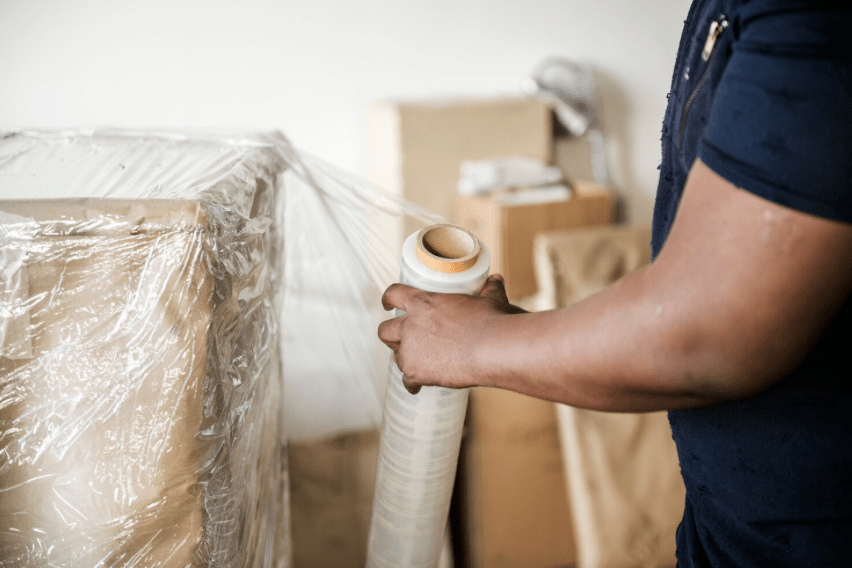
Protect each room with bubble wrap, blankets, sheets or special covers, paying particular attention to corners and sensitive surfaces. For wooden or leather furniture, use breathable materials to avoid condensation. Pack small parts (screws, handles, fasteners) in labeled bags and tape them to a corresponding part of the furniture to avoid losing anything.
To optimize volume inside the cubicle, place heavier objects at the bottom and lighter ones on top. Store mattresses, box springs or large panels vertically to save space and avoid prolonged pressure points. Don’t stack too high to crush or deform fragile furniture. Always provide an access path into the storage unit so that you can easily retrieve certain items of furniture or boxes without having to move everything. Leave the items or boxes you need most at the front of the box for convenient access.

How long can you store your furniture?
Storage time depends on the site:
- for small jobs (painting, flooring), just a few days or weeks are enough
- for heavy or complete renovation work, you often need to allow 1 to 3 months, or even longer. Modern self-storage solutions, such as Stockeet, offer flexible contracts, renewable on a weekly or monthly basis, which is perfectly suited to unforeseen construction work.

Why choose stockeet to store your furniture?
Stockeet offers boxes from 1 to 23 m², available immediately and without obligation. The centers are monitored 24 hours a day, accessible 7 days a week, ventilated and perfectly clean. The flexibility of our contracts means you can adapt the duration of your storage space to the progress of your project, with no surprises and no hidden costs. Personalized support helps you to estimate the size of the storage unit you need and to prepare your storage in the best possible conditions. Stockeet is the ideal solution for secure, practical temporary storage while you work.
need temporary space while you work? contact us Planning a renovation? Protect your furniture and gain peace of mind. 📞 Call 021 800 30 00 to make an appointment or book your storage unit directly online at www.stockeet.ch.

