


Moving: 10 steps to efficient packing
A move is often a source of stress, organization and intense logistics. From dealing with administrative formalities to changing addresses and coordinating service providers, every step counts. One of the keys to making this transition as smooth as possible is proper packing. Properly packing, labelling and dividing your belongings not only prevents breakage and loss, but also saves precious time when unpacking, and simplifies the whole logistical process.
This is all the more important when you need to store your belongings temporarily between homes, or when the new space isn’t yet ready. In Switzerland, where the handover of keys is sometimes staggered, or where renovations are still underway, the use of a self-storage space becomes an unavoidable solution.
Here’s a complete method, designed for Swiss individuals, and compatible with self-storage solutions like those offered by Stockeet. Whether you’re moving to Geneva, Lausanne, Fribourg or elsewhere in French-speaking Switzerland, this organization will offer you clarity, efficiency and peace of mind.
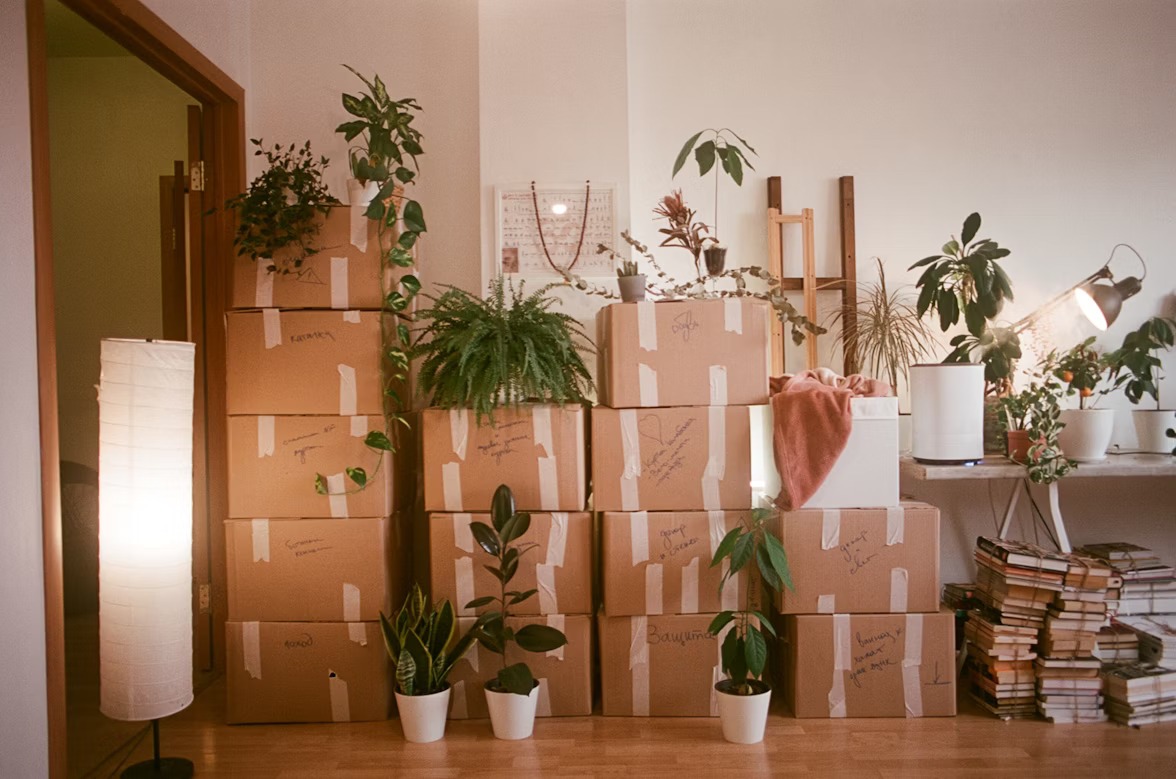
Why is packing well essential?
Well-packed boxes make moving faster, safer and smoother. It helps to :
- limit the risk of breakage or loss, by avoiding friction, impact or crushing
- find your belongings easily when unpacking, thanks to logical filing and clear labelling
- optimize space in the vehicle or in a storage box, by stacking boxes according to weight and strength
- avoid duplicate or forgotten boxes, by keeping a precise inventory from the outset of packing
- make it easier for movers or relatives to find the right place for each box
- reduce the stress of moving into a new home, as each room can be fitted out more quickly
Rigorous organization is all the more useful when storing goods temporarily between homes, or when using a self-storage service like Stockeet. Each well-prepared box becomes a mobile unit that’s easy to handle, transport and retrieve, saving considerable time and energy.
Anticipating preparation: where to start?
As soon as the moving date has been set :
- sort by category (keep, give away, throw away). It’s the ideal opportunity to declutter your home and avoid moving useless or forgotten items.
- draw up a backlog of parts to be packed as a priority, spreading the effort over several days to avoid mental and physical overload
- Gather the necessary materials: new or sturdy cardboard boxes, quality adhesive tape, scissors, indelible markers, bubble wrap, protective covers, vacuum bags, stretch film, and possibly protective material for furniture.
- start with areas that are seldom used (attic, cellar, library), as they often contain objects that are not essential to everyday life. This will also free up useful space for storing ready-made boxes.
- create a buffer zone in a less cluttered room to centralize finished boxes and keep the rest of the home functional.
A good start often makes all the difference to the rest of the process. Good anticipation allows you to keep control of every step, to gain in efficiency and to limit last-minute unforeseen events that can make a move a real pain.
Which type of cardboard to choose for which object?
Not all objects fit into the same boxes. It is essential to adapt the type of box to the nature, weight and fragility of the objects to ensure safe transport and efficient storage:
- small, sturdy boxes for books, heavy objects or tools. Their compact size prevents overloading and facilitates handling.
- compartmentalized boxes for crockery, glasses, bottles or fragile objects. They limit bumping and rubbing during transport.
- closet cartons with integrated rod for clothes on hangers, coats or dresses. This prevents creasing and damage to textiles.
- reinforced cardboard boxes, sometimes with handles, for household appliances, electronics or cameras. Their extra thickness protects against knocks
- flat cardboard for pictures, mirrors or screens, to avoid pressure points
- rigid plastic boxes for items that are sensitive to humidity or will remain in storage for a long time
Avoid recycled cardboard boxes that are too fragile, or formats that are too large and quickly become unmanageable, difficult to lift and liable to warp. Always opt for quality materials, especially if you have to handle them several times, such as when using a self-storage unit like those offered by Stockeet.
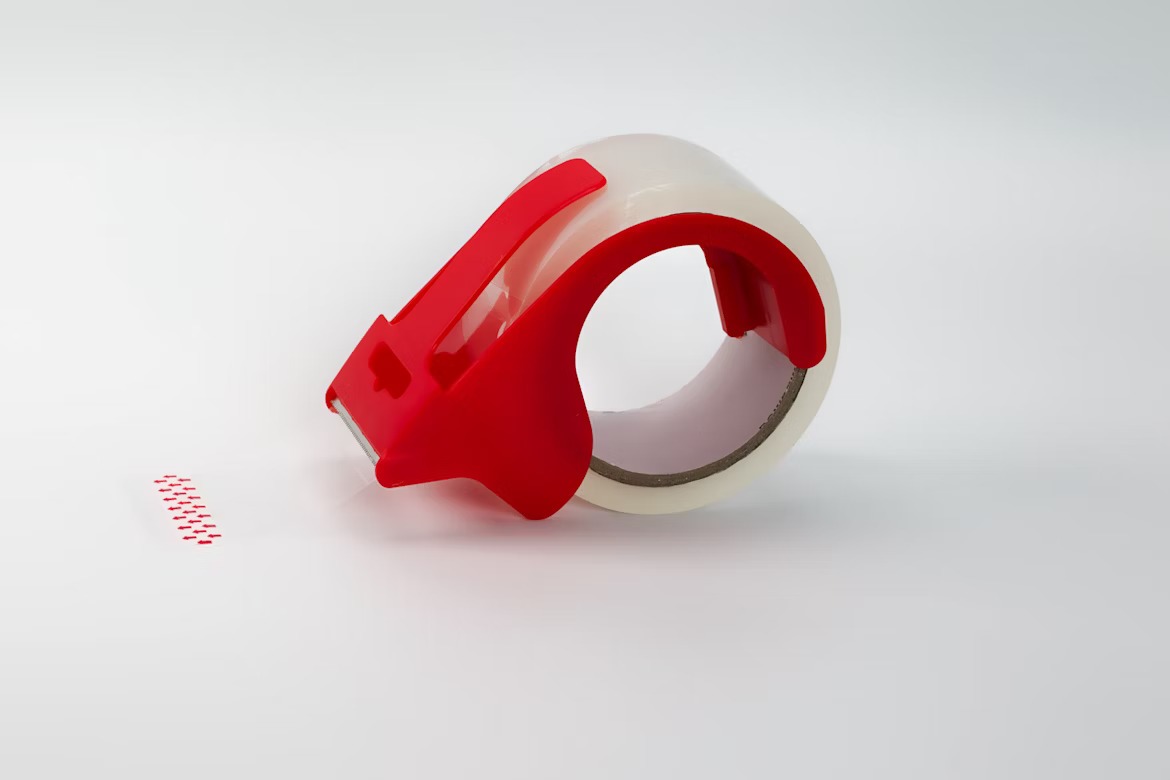
Efficient packing method, piece by piece
- kitchen: wrap dishes individually with bubble wrap or tea towels. Label each box “fragile”. Provide a separate box for everyday utensils, opened dry goods and first-day essentials (e.g. coffee maker, a few cups, cutlery).
- bathroom: place liquid products in airtight bags or plastic pouches. Secure objects with towels or bath mats. Keep a separate toiletry bag with all immediate necessities (toothbrush, soap, medication).
- living room: group remote controls, cables and small electronic devices in zipped pockets or labelled transparent bags. Wrap decorative objects in newspaper or soft textiles. Protect furniture corners with foam or cardboard.
- bedroom: store bed linen in compressible bags to save space. Store clothes in suitcases or closet boxes. Pack personal items, jewelry or important documents separately, in rigid boxes to be kept under surveillance.
- office: sort files, arranging them thematically in rigid filing boxes. Bundle cables with cable ties and labels. Carefully wrap peripherals (keyboard, mouse, printer) in foam paper or blankets.
Don’t forget to take photos of complex assemblies (e.g. audio/video connections or computer networks) so that you can easily reassemble them without wasting time.
How do you label and organize your boxes intelligently?
A few simple techniques:
- write the contents and destination on both sides of the box, so that you can read the information even when the boxes are stacked.
- Use a color code or sticker for each room: for example, blue for the kitchen, green for the bedroom, red for the bathroom.
- number the boxes in the same room (e.g. room 1/5, 2/5…) to keep track of the total number of boxes per zone and avoid losing any of them
- keep a tracking sheet or use a moving management application (such as MoveAdvisor or Sortly) to record a detailed inventory of each box
- group boxes by room in a dedicated area of the home for smoother loading and unloading
- create a “first days” box with essentials at hand (chargers, toilet paper, crockery, change of clothes)
The clearer the organization, the quicker, more efficient and stress-free the unpacking. Good signage also facilitates the work of the movers or relatives who help you on D-day.
Sensitive objects: how to pack the fragile?
- glass and porcelain: wrap each piece individually with bubble wrap, newspaper or thick linen, then wedge the items inside the cardboard to prevent them from moving during transport. Stack plates vertically rather than flat to reduce the risk of breakage.
- electronics: pack them in their original carton if possible, otherwise use foam cushions, polystyrene or thick paper to cushion shocks. Remove any removable batteries and group cables in identified bags.
- frames, pictures: protect surfaces with bubble wrap and wrap corners with rigid cardboard or foam. Place them vertically, and separate them with blankets or towels if you’re grouping them together.
- sentimental items: group them together in small, rigid boxes, individually wrapped. Carry them preferably with you, in your personal vehicle or a separate bag, to limit the risk of loss or alteration.
Always label fragile items visibly, on several sides of the box, and point this out to movers or anyone handling the parcels. Don’t hesitate to use pictograms to draw attention to their fragility.

Common mistakes to avoid at all costs
- want to pack everything the day before, leaving little time to sort properly or protect fragile items
- fill cartons weighing more than 20 kg, making them difficult to handle and increasing the risk of tearing or injury
- mixing items from different parts in the same box, which complicates unpacking and lengthens installation time in the new home
- forget to mark the boxes, making each opening random and disrupting the overall organization
- hastily packed without sufficient protection, exposing fragile objects to breakage or wear and tear
Poor organization increases stress on arrival, slows unpacking and can lead to avoidable loss or damage. Anticipating and preparing each stage of the process will help you move in more serenely and efficiently.
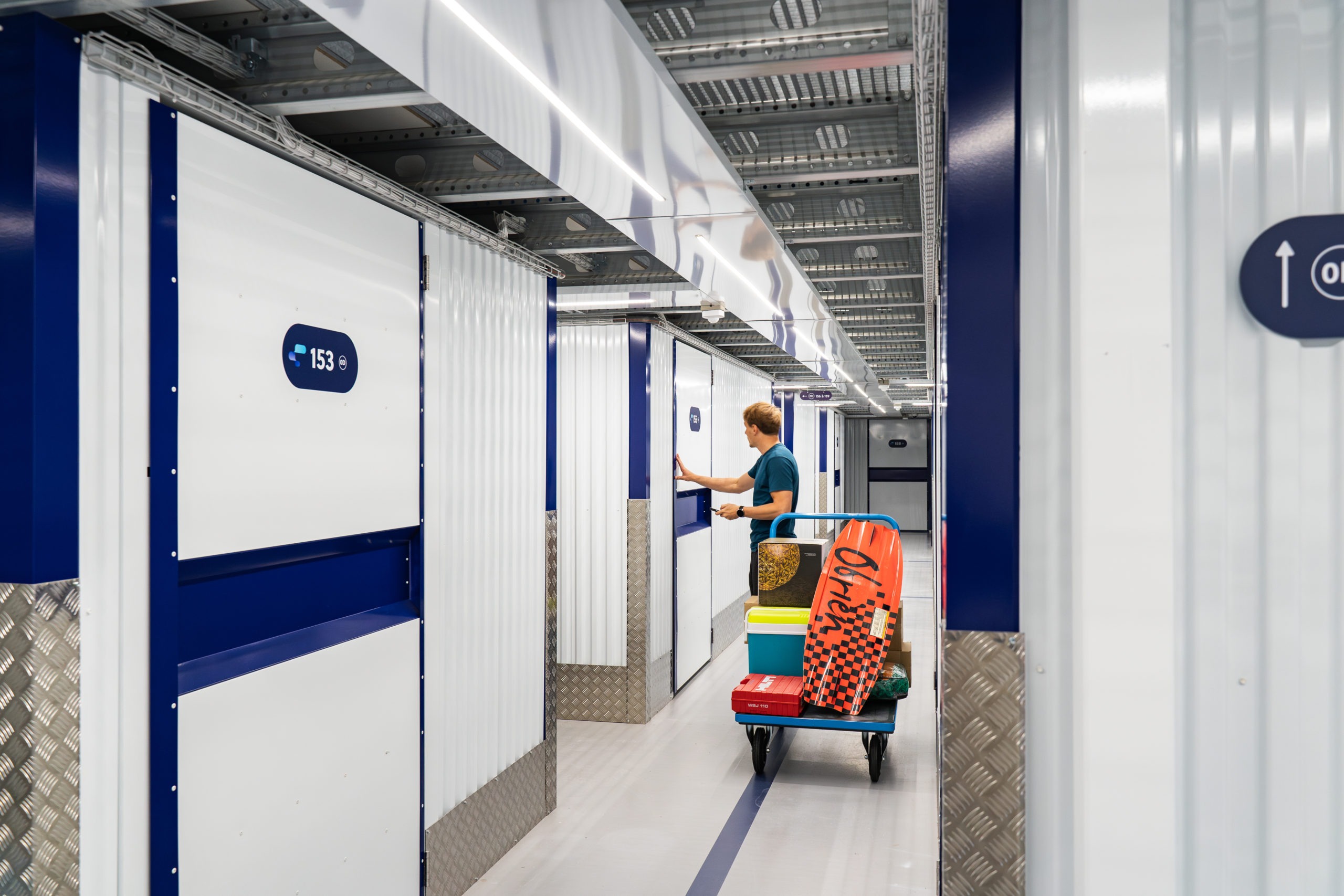
Storing boxes before or after a move
Self-storage is ideal for many moving situations:
- if there’s a gap between your old and new homes, to avoid temporarily taking up space in a garage or at a relative’s place
- when the handover of keys is delayed or uncertain, allowing you to secure your property while retaining flexibility
- if the new home is under construction or partially ready, and it’s not yet possible to install everything
- to take the time to move in room by room, without rushing or unpacking everything in a single day
- to free up space in living areas during a transition, especially if you’re temporarily living in a smaller home
Stockeet allows you to store boxes in a secure, clean space that’s accessible at all times. Boxes are suitable for all volumes, monitored, ventilated and accessible 7 days a week, giving you maximum flexibility to organize your move at your own pace.
Why choose stockeet to store your boxes?
Stockeet, a recognized player in self-storage in French-speaking Switzerland, offers practical, accessible and secure solutions to meet the needs of individuals in housing transition. Whether you need to store a few boxes or the equivalent of an entire apartment, we’ve got the right solution for you.
- boxes from 1 to 23 m², perfectly adaptable to the size of your move
- free access 7/7 thanks to our app, to drop off or pick up your belongings at your convenience
- continuous video surveillance, with alarm and access control systems for maximum peace of mind
- non-binding weekly or monthly contracts, giving you total flexibility
- personalized support based on your logistical constraints, with estimated floor space and advice on optimizing storage.
It’s the ideal solution for a smooth transition between two homes, a renovation project or an extended installation period.
Need temporary space? Contact stockeet
Book your storage unit online in just a few clicks at www.stockeet.ch
Or call Stockeet on 021 800 30 00 to make an appointment to visit our storage facility in Aclens, 15 minutes from Lausanne.
Stockeet, your self-storage solution in French-speaking Switzerland, for a pressure-free move.

