


E-commerce and warehousing: a strategic alliance for online stores
With the meteoric rise of e-commerce, many e-commerce stores – especially those operating dropshipping or hybrid models – are facing major logistical challenges. Inventory management, delivery times, cost optimization, space efficiency… these are just some of the issues requiring flexible, scalable and cost-effective solutions.
Between managing returns, seasonal peaks in activity and the need to maintain control over flows, space requirements quickly become critical. It’s against this backdrop that self-storage is emerging as a strategic and accessible resource, particularly for small structures wishing to remain agile without having to bear the fixed costs of a traditional warehouse.
In this article, we’ll explore how e-tailers can leverage storage space to grow their business, improve responsiveness, control logistics costs and offer optimal customer service.
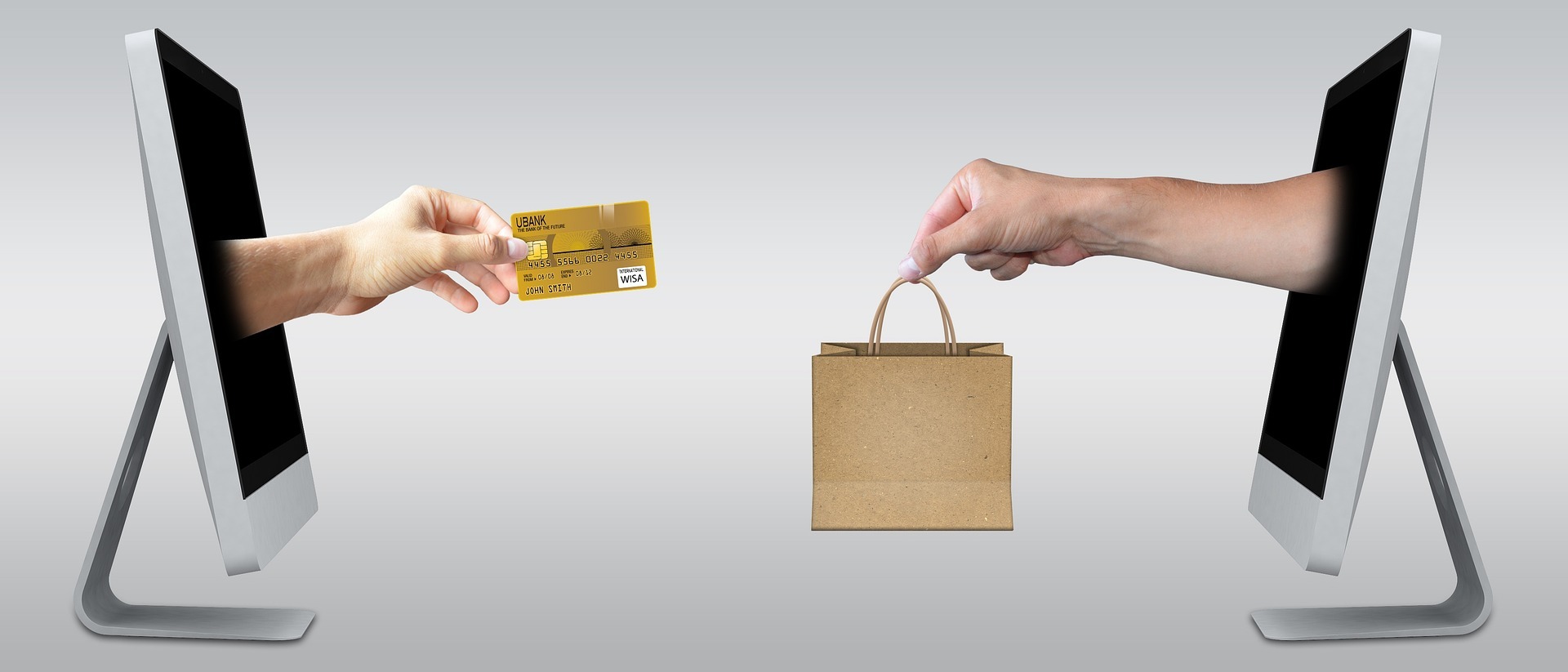
Why is storage becoming a necessity for e-tailers?
Even in initially lightweight models such as dropshipping, many merchants are rapidly moving towards hybrid solutions. They order in batches to reduce unit costs, stock certain bestsellers to guarantee immediate availability, or seek to reduce their dependence on unreliable or overseas suppliers. It also enables them to offer a better customer experience, with shorter lead times and enhanced quality control. As a result, the need for local, secure and flexible storage space is becoming unavoidable.
In addition, for business development (new ranges, promotions, seasonal peaks, marketing campaigns), having your own inventory allows you to :
- control quality, quantities and delivery times
- group orders to optimize delivery costs or propose bundled offers
- anticipate stock shortages and limit dissatisfaction
- provide greater commercial responsiveness by adjusting available volumes to actual market demand
- better manage customer returns by centralizing flows in a dedicated area

Dropshipping, hybrid e-commerce and buffer stock: what are the differences?
- Pure dropshipping: no stock, orders sent directly from supplier to end customer. Advantage: low initial investment, ultra-light management. Disadvantage: delivery times and quality are difficult to control, dependence on the supplier is high, and after-sales service is complex to manage in the event of a problem. It can also impact brand image if products arrive damaged or late, leading to disputes that are difficult to resolve.
- Hybrid e-commerce: a mix of direct delivery for certain products, and partial stock management for best-sellers or critical periods. This model offers greater control over lead times and customer satisfaction, while maintaining a relatively light logistics structure. It also makes it possible to test products before integrating them into a more robust in-house logistics system, or to provide express delivery on part of the catalog to retain the most demanding customers.
- Buffer stock: a solution adopted by many e-tailers, consisting in holding a small local physical stock to cushion unforeseen events (supplier delays, order peaks, returns, flash campaigns). It also means that urgent demand can be met without disruption, while limiting fixed costs. It’s an ideal intermediate approach for structures that want to retain their agility while improving their operational reliability.
In all these cases, self-storage is a powerful logistical lever, enabling you to adjust capacity rapidly without incurring heavy structural costs, while benefiting from autonomous, flexible flow management. It represents a scalable solution, ideal for testing, growing and structuring your business at your own pace, without the risk of being limited by space.

The advantages of self-storage for online stores
That’s why more and more Swiss e-tailers are choosing to use self-storage units like Stockeet :
- Flexibility of space: possibility of changing cubicle size according to requirements (temporary or regular storage), enabling space to be adapted to growth or seasonal variations in activity.
- Accessible 7 days a week: autonomous entry and exit management, with no time constraints, practical for urgent orders or evening and weekend operations
- Maximum security: video surveillance, access control, alarm, to ensure your stock is protected against intrusion, theft or damage.
- Controlled costs: monthly rate with no hidden charges, no commercial lease to sign, which avoids the high fixed costs associated with renting business premises.
- Zero real estate logistics: no long-term lease, no electricity to manage, no maintenance costs, so you can focus on your e-commerce business without having to worry about managing the premises.
- Proximity to customers or delivery points: ideal for local or regional e-tailers wishing to ship quickly or organize direct on-site pick-ups.
- Easy to set up: quick booking, immediate access, no binding commitments – an agile solution for start-up or test structures

How to optimize your e-commerce storage?
To make the most of your self-storage space, here are a few best practices to adopt:
- Clearly label your products to facilitate order picking, reduce picking errors and make it easier for other members of your team (or contractors) to find their way around.
- Create a logical layout within the cubicle (picking zones, replenishment, returns), taking into account the frequency of product access and rotation.
- Choose an upgradeable box if your catalog or volumes vary over time: this allows you to adjust your capacity without unnecessary constraints or extra costs.
- Store on pallets or shelves to take advantage of height, save floor space and facilitate vertical organization of your references.
- Maintain regular stock rotation to avoid unsold stock, manage expiration dates where appropriate, and improve cash flow by reducing dormant stock.
- Keep important documents (invoices, slips) within easy reach in a dedicated filing cabinet or in a watertight box, so you can find them quickly in the event of an inspection or customer complaint.
- Prepare an order-picking area inside the cubicle if the size allows: this optimizes your productivity and avoids unnecessary round trips.
- Number the shelves or storage bins so you can find each product without hesitation, and speed up order processing.
With the right organization, a storage unit can become a fully-fledged mini-warehouse, offering an excellent compromise between flexibility, efficiency and cost control.
For whom is storage particularly useful?
Here are a few profiles for which self-storage is an asset:
- Shopify / WooCommerce / Prestashop store creators who want to avoid the constraints of a business premises, while benefiting from a flexible space to launch or develop their business.
- E-merchants on marketplaces (Amazon, Galaxus, Ricardo) wishing to store part of their stock locally to improve delivery times and control shipping quality.
- Sellers of hand-crafted or limited-edition products who need temporary space away from home to store limited editions or prepare for events such as markets or trade fairs.
- Growing companies launching new products, carrying out market tests, or needing to absorb a temporary increase in activity without investing in fixed premises
- Seasonal e-merchants who need to manage large volumes at certain times of the year (Christmas, summer, sales) and prefer to adapt their storage space to the sales peaks so as not to tie up capital all year round.
- Startups or self-employed entrepreneurs who want to outsource their storage without committing to long or inflexible commercial leases, while retaining simple, flexible access to their products.
Why choose Stockeet for your e-commerce storage?
Stockeet is one of the leading self-storage providers in French-speaking Switzerland, with modern facilities and personalized support for professionals.
Our advantages for e-tailers:
- Boxes from 1 to 23 m², adjustable according to your volume
- Free access 7/7 to manage your orders at your own pace
- Safe, clean and easily accessible by car
- Transparent pricing with no long-term commitment
- Our team is on hand to estimate the floor space required to meet your needs.
- Handling equipment available on site
With Stockeet, you retain control of your e-commerce business while intelligently outsourcing space management.
Need space for your online business? Contact Stockeet!
📞 Call us today on 021 800 30 00 to make an appointment for a visit.
📅 Book your storage box directly online in just a few clicks at www.stockeet.ch.
Stockeet, your logistics partner to help your online store grow.

